When you close your eyes and imagine railroad clothing, what do you see?
Maybe you picture Tom Hanks from the Polar Express with his signature conductor’s hat and gold-buttoned waistcoat or maybe you think of station master Sir Topham Hatt from Thomas the Tank Engine.™ You might also imagine famous engineers from photographs and drawings in pop culture with railroad stripe pants, a matching cap, denim jacket, and soot-stained gloves.
Whatever classic uniform comes to mind for you, railway workers have built a distinctive look and reputation for more than a hundred years.
Today, the experts at Strasburg Rail Road are going to guide you through the long-standing history of railroad apparel and explore its origins from the 1910s and 1920s to the 21st century.
Vintage Clothing for Railroad Workers
The railroad attire we all know and love today started as utility gear for 20th century workers. Inspired by the rugged outerwear of miners, farmers, and factory workers, railway workers experimented with durable and comfortable combinations for apparel.
In fact, workwear was far less disposable than it is now. Clothing was often handmade in small batches with high-quality fabrics like denim, duck canvas, and wool serge to survive years of hard use.
Despite the need for functionality, the most famous uniforms we all know today started with a marketing campaign.
How a Little Marketing Transformed Railroad Clothing
Many historians believe that the timeless railroad uniforms we know came from workwear retailer, Oshkosh B’Gosh. In the early 1900s, railroad engineers wore rugged clothing for the hard and dangerous work with matching hats like derbies and bowlers.
In the 1920s and 1930s, clothing manufacturer Oshkosh B’Gosh began aggressively marketing blue-and-white hickory-striped overalls and matching caps.
The rest is retail history, as workers quickly discovered that the striped pattern camouflaged dirt and looked professional while being comfortable. As workers around the country adopted the look, it became synonymous with railroad workers in popular culture with early drawings, illustrations, and advertising art.
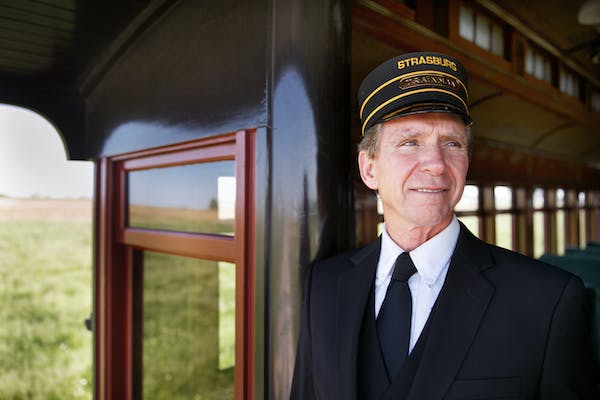
In stark contrast to the rugged durability of engineers, conductors wore iconic navy, charcoal, and black suits with a coat, matching waistcoat, and pressed trousers. Gold and brass accents signified rank with engraved buttons and railroad initials, gold piping on sleeves, and metal badges.
Most famously, these ambassadors to the rails wore the conductor’s hat with a flat, curricular top and prominent brass name plate saying, “CONDUCTOR.” Military and maritime uniforms inspired the outfit. In a packed crowd, passengers could easily recognize the railroad conductor’s uniform to ask for customer service or request help in the event of an emergency.
Historic railroads truly had an unforgettable aesthetic with everyone from brakemen to conductors in uniforms designed to unite the industry and stand out from passengers.
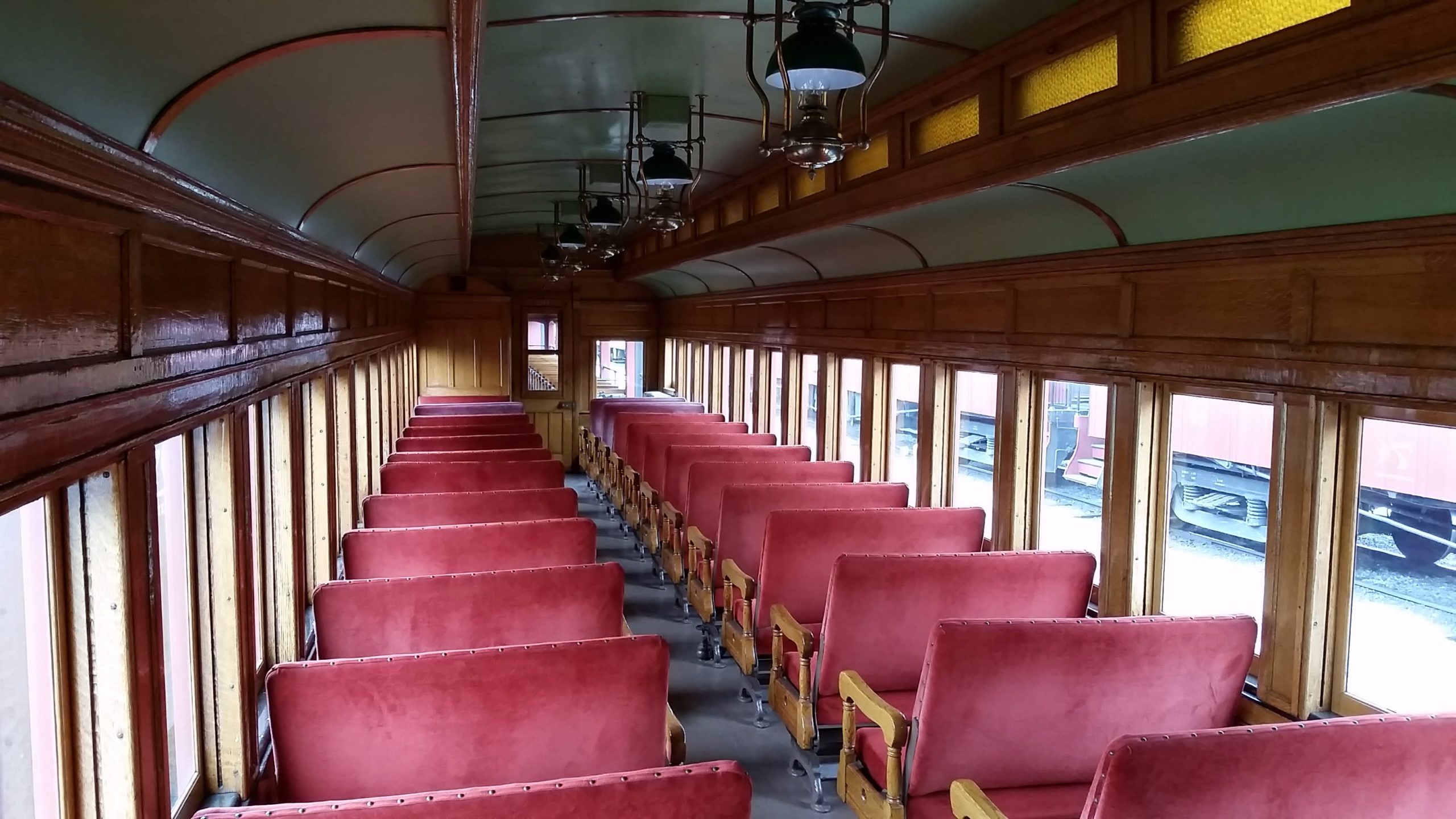
Are you a railfan with a passion for the history of the American rail road? Strasburg Rail Road is the oldest operating short line steam train in the United States. We offer rides through the scenic Amish countryside in Lancaster County, PA on restored, Victorian-era passenger cars.
[button link=”https://fareharbor.com/embeds/book/strasburgrailroad/?full-items=yes&%3Bflow=560169&u=85fb86e6-f665-44bb-a289-9bb8fa98b6c4&from-ssl=yes&ga=UA-338855-2%2C1184509600.1720622353%3BUA-338855-2%2C1184509600.1720622353%3B&ga4t=G-FZZT6V7WV1%2C1184509600.1720622353__1743435656%3BG-2CHJ9R6QSF%2C1184509600.1720622353__1743435656%3B&g4=yes&cp=no&csp=no&gclid=Cj0KCQiA_NC9BhCkARIsABSnSTY_R6E4oj5AAqmc8huVcYYhkl6_28EbtHP7XggK17i33YY8fGfPg2kaAngHEALw_wcB&back=https%3A%2F%2Fwww.strasburgrailroad.com%2Fblog%2Frailroad-spike-uses%2F&language=en-us” palette_color=”red” is_target_blank=true label=”Book Tickets” large=true ]
Materials and Fabric for Classic Railroad Apparel
Many historians compare the monumental completion of the Transcontinental Railroad in 1869 to the historic impact of the moon landing in 1969.
Why?
Because the ability to travel and transport goods at rapid speed reshaped commerce, war, and travel in a short period of time.
And in a way similar to the brave Apollo astronauts in their space suits, railroad workers needed safe and reliable clothing. Each piece of workwear was designed for maximum durability and safety with abrasion resistance, heat protection, and long-term durability over style. These fabrics would need to withstand coal dust, grease, sparks, and weather.
The signature hickory stripe outfits we know as the uniforms of engineers and brakemen were woven from durable cotton twill. Manufacturers used this material to create overalls, caps, aprons, and shop jackets. Heavyweight indigo denim was also a popular choice with reinforced stitching and rivets to prevent seams from tearing. Duck canvas was also useful for water resistance during rainy weather and wool serge also protected workers from harsh winters.
Conductors dressed more formally with suits made from wool serge or melton wool to resist wrinkling and stay warm on a long route. Wool was also a preferred choice for safety since it was breathable and naturally fire-resistant, offering a layer of protection against unexpected sparks produced by friction on the tracks.
Do you love the traditional fashion of working on the railroad? Strasburg Rail Road’s online shop has a variety of options, from elegant conductor hats to modern Strasburg Rail Road themed apparel.
[button link=”https://strasburg-railroad.myshopify.com/” palette_color=”red” is_target_blank=true label=”Shop Now” large=true ]
Modern Railroad Apparel
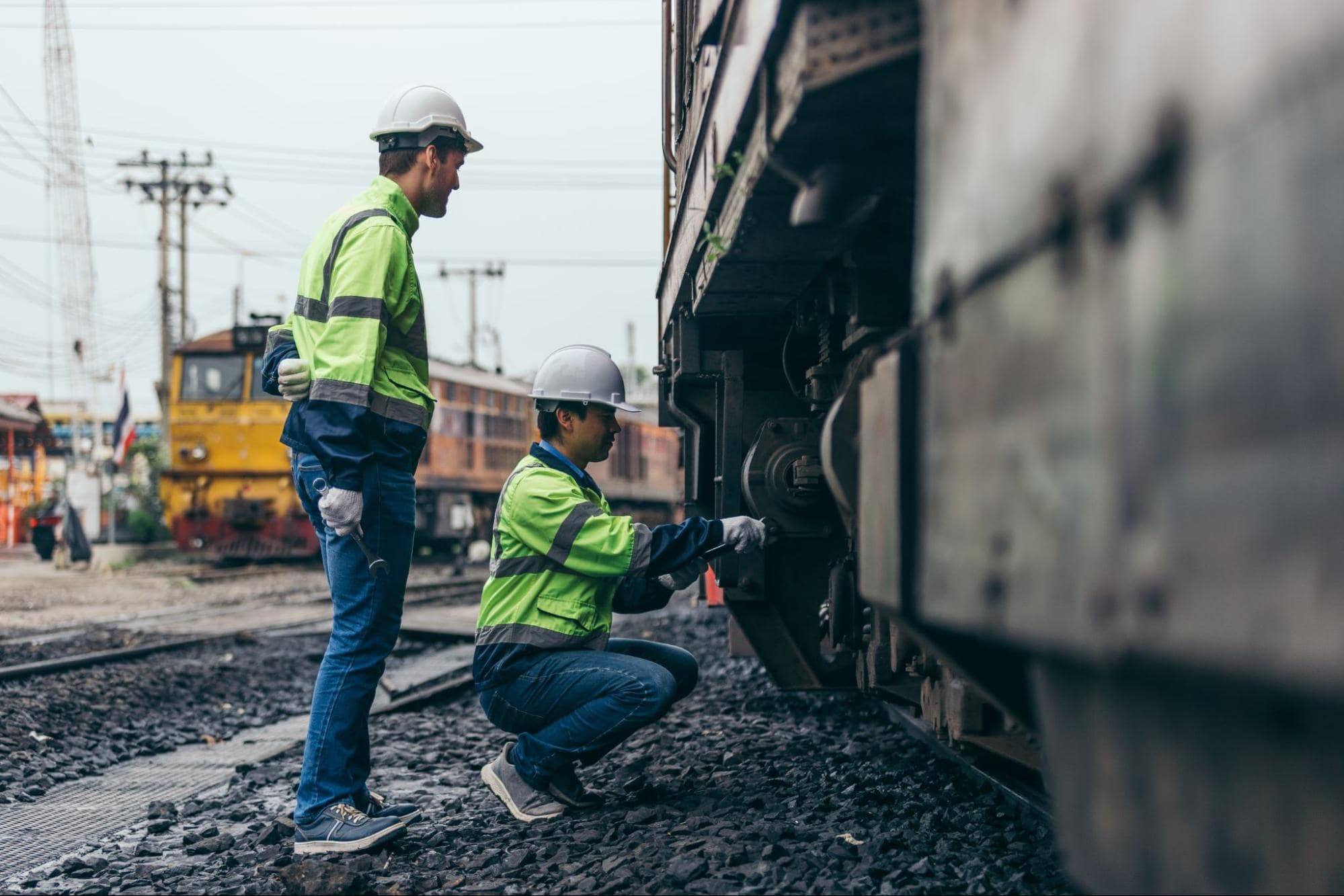
Modern railroad apparel integrates efficiency, safety, and technology as society moves further toward productivity and automation.
Today, the American National Standards Institute (ANSI) and the Federal Railroad Administration (FRA) protect Americans from the dangers of railroad work with regulations with rules focused on personal protective equipment (PPE).
These standards focus on reflective tape and fluorescent yellow/orange railroad safety vests for high visibility, especially at night. Railway staff also use flame-resistant materials for workers near locomotives or electrical systems.
The materials and design of railroad clothing has also improved with advanced manufacturing techniques. Workers now wear steel-toe toes, hard hats, and durable work pants made from poly-cotton blends. These outfits also feature places to attach tech, including radio loops, mic tabs, shoulder mounts, and chest pockets for smartphones.
21st-century conductors also use high-visibility gear when working near the tracks or train movements. When working with passengers, conductors still often wear recognizable elements like the train conductor hat.
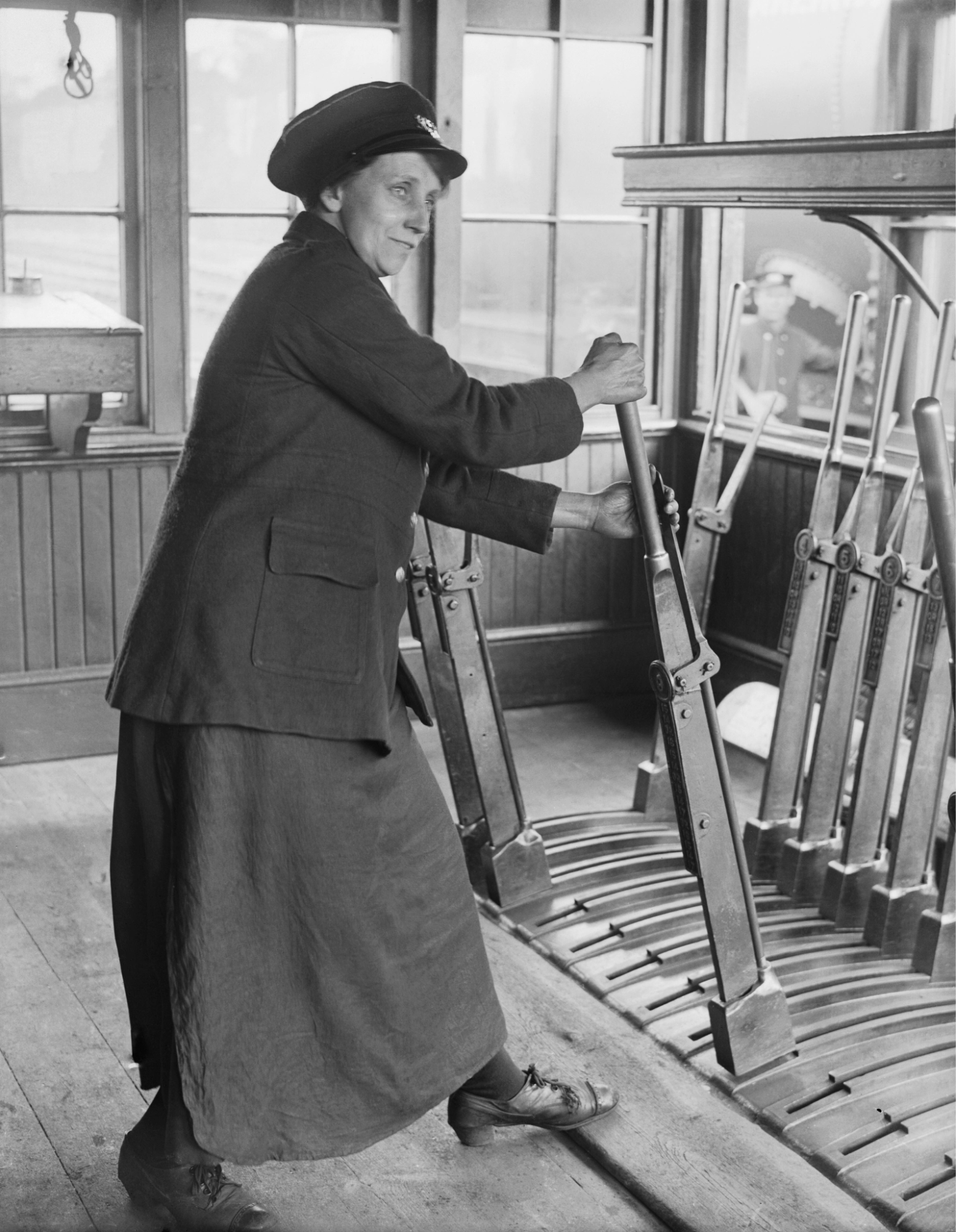
Historically, railroad clothing was designed almost entirely for men, since early railroad jobs were overwhelmingly male. When railroad women entered the workforce during WWI and WWII, they quickly found that oversized men’s overalls and PPE created safety hazards and limited movement.
Today, thousands of ladies have proudly joined the workforce across the United States. Modern railroads offer women’s railroad pants, fitted overalls, and properly sized safety vests, giving women the same level of protection, comfort, and mobility as their male counterparts.
Even as railroading evolves, uniforms for conductors, brakemen, and engineers continue to honor the past while adapting to the needs of today’s workers.
Step into the History of Railroad Clothing at Strasburg Rail Road
Since the beginning of the steam train era in 1825, railroad workers have made an impact on every area of society.
Long hours and dangerous conditions challenged the earliest railway heroes to find innovative solutions with breathable, comfortable, and durable clothing options. In recent years, safety regulations have guided manufacturers to develop superior apparel for durability and comfort for both men and women.
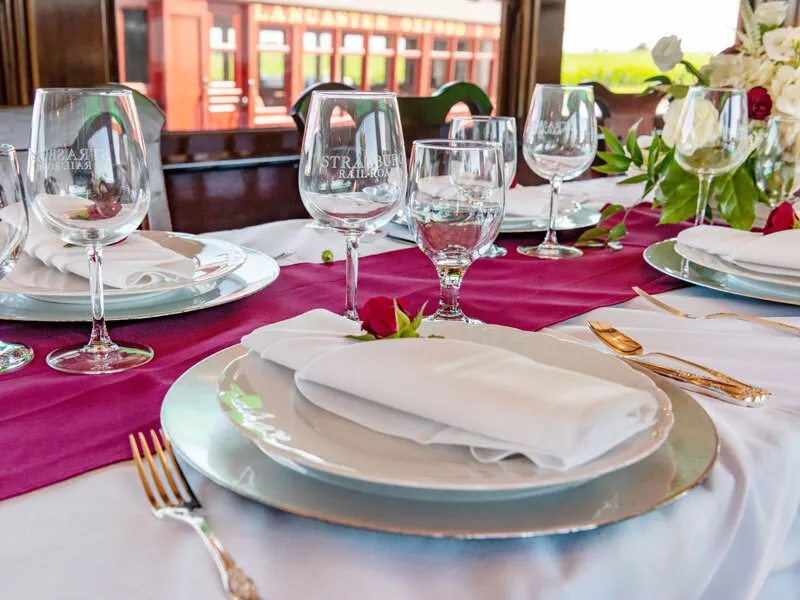
Would you like to experience the magic of locomotion for yourself? Visit Strasburg Rail Road and become a part of history with a ride on a restored, fully-operating steam train. Catch a theatrical show aboard the train, dine with family and friends, and ride the rails into adventure.
[button link=”https://fareharbor.com/embeds/book/strasburgrailroad/?full-items=yes&%3Bflow=560169&u=85fb86e6-f665-44bb-a289-9bb8fa98b6c4&from-ssl=yes&ga=UA-338855-2%2C1184509600.1720622353%3BUA-338855-2%2C1184509600.1720622353%3B&ga4t=G-FZZT6V7WV1%2C1184509600.1720622353__1743435656%3BG-2CHJ9R6QSF%2C1184509600.1720622353__1743435656%3B&g4=yes&cp=no&csp=no&gclid=Cj0KCQiA_NC9BhCkARIsABSnSTY_R6E4oj5AAqmc8huVcYYhkl6_28EbtHP7XggK17i33YY8fGfPg2kaAngHEALw_wcB&back=https%3A%2F%2Fwww.strasburgrailroad.com%2Fblog%2Frailroad-spike-uses%2F&language=en-us” palette_color=”red” is_target_blank=true label=”Book Your Experience” large=true ]